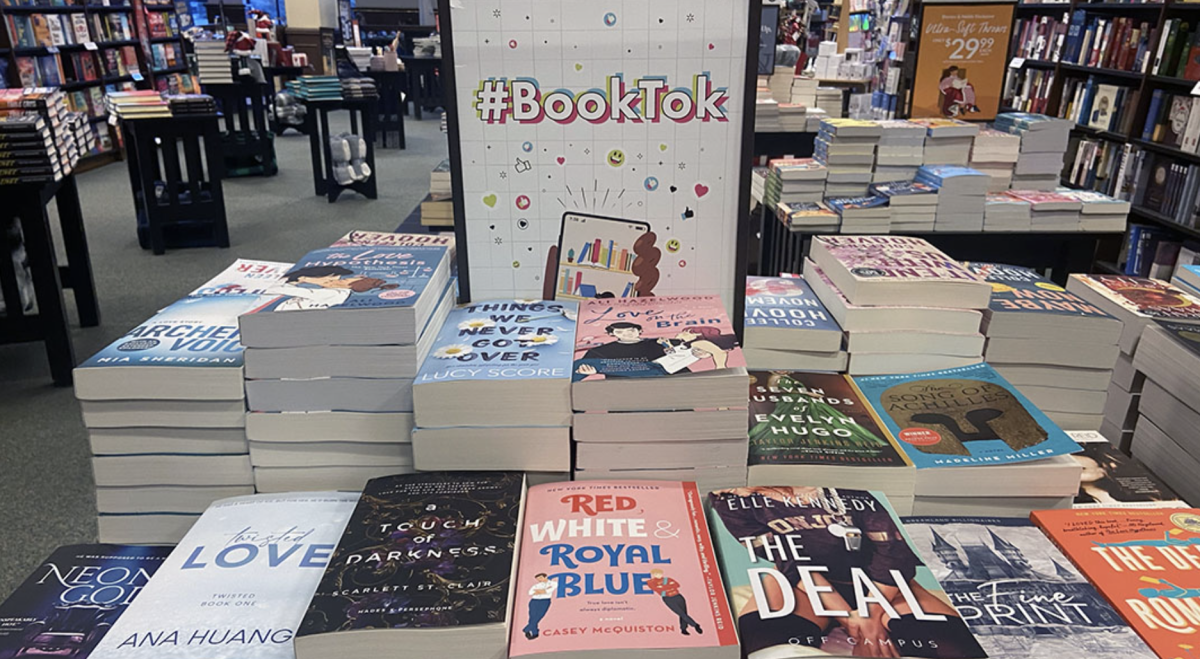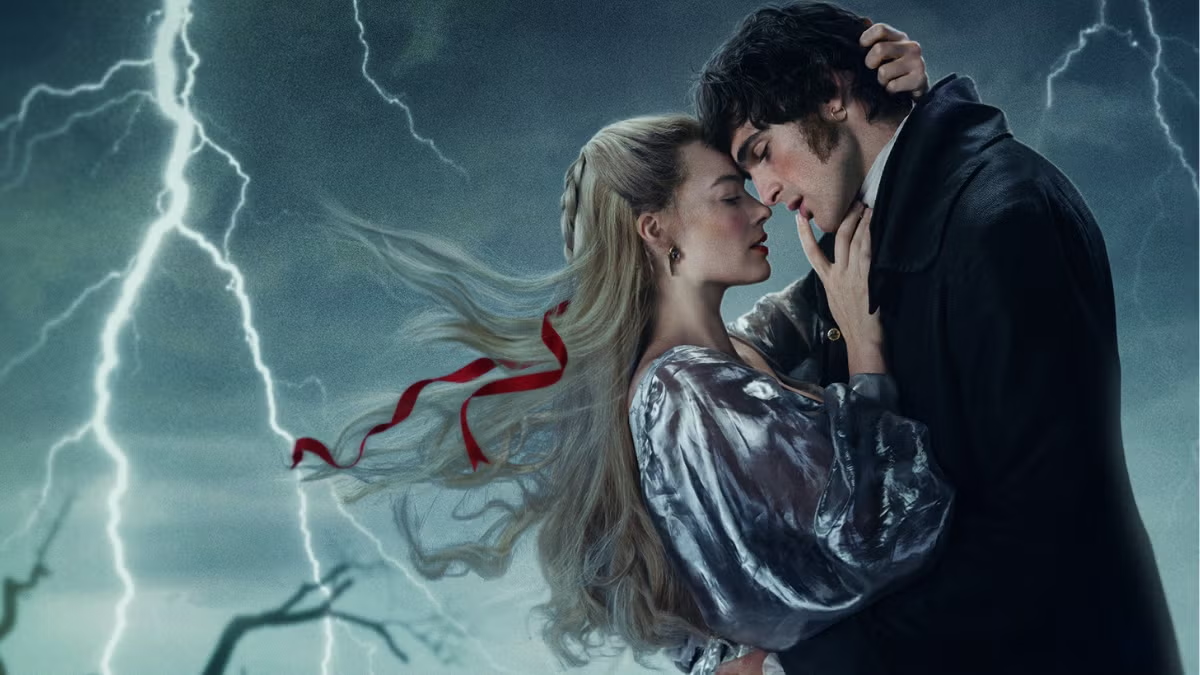
Following the new Wuthering Heights release on February 13, concerns about the accuracy of the adaptation have arisen. Many viewers, whether of the film or just of the trailers, have expressed discontent with various aspects of it. The most notable being the cast and the advertisement of the story. In the novel written by Emily Bronte in 1847, Heathcliff is described as having dark skin and black hair. So, when it was revealed that Jacob Elordi, a white man, was cast as Heathcliff, many fans of the novel were outraged. Similarly, the casting of Margot Robbie to play the teenage Catherine Earnshaw also generated criticism due to the difference in age between Robbie and the character as written in the novel. Furthermore, the film has been promoted as romantic and sensual, applying “book-tok” romantic terms and tropes to the otherwise obsessive relationship and tragic story.
However, “Wuthering Heights” is only one of many book-to-movie adaptations that has faced great criticism. David Lynch’s adaptation of Dune (1984), The Lovely Bones (2009), and the Divergent movies (2014-2016) all faced mass disapproval from new audiences and fans of the beloved novels alike. In fact, it’s very rare that an adaptation of a novel will be praised, and often with praise comes criticism. With so many movie adaptations garnering such strong negative opinions from audiences, conversations often spark about how the reading experience and source material itself are impacted .
When books are made into objective visual representations, creativity is hindered. Typically, people have to create their own mental images of the characters and world based on their subjective interpretations. However, when movies are created, these images become replaced with what production or direction teams create based on how they imagined it (and depending on their limited resources). This is particularly difficult concerning fantasy and science fiction stories as feasibility becomes a major factor in production. Directors and producers have to consider just how much they can achieve while maintaining a realistic budget. Readers of the book will inevitably envision the novel differently from producers, as everyone has different experiences, memories, and cultures that influence our imaginations. When someone watches a film adaptation of a book, it’s hard to erase the imagery from their head that they initially imagined when reading the written piece.
Movies can also set a poor example of the books they are based on. Film adaptations are primarily focused on maximizing earnings and boosting sales, not necessarily faithfulness to the source material. The resulting changes from book to film can be dramatic. Deep, powerful novels can often be reduced to flat, shortened, and commercial films. The producers and directors’ interpretations again come into play, but in terms of the story itself. How a book reads depends on the person– someone may find a novel picturesque, whereas another may find it unglamorous. Wuthering Heights is a perfect example of this issue in adaptations. The movie’s director, Emerald Fennell, read the novel when she was fourteen and interpreted it as a great love story. This idea was conveyed when she created the film, and ultimately contributed to its criticism. In light of different interpretations and presentations of a story, unaware watchers of the films may avoid the novel based on what they saw. This is harmful to both audiences who miss out on a possible great experience and authors of the novels, who may lose potential readers because of the adaptation.
On the other hand, movie adaptations of novels can reap benefits, especially for the book itself. Films that garner large audiences can bring more attention to the books themselves. For instance, three million Harry Potter novels were sold between 2008 and 2010, with the first movie being released in 1997. Furthermore, movies can make a complicated novel more digestible. Some themes or aspects of the world are too intricate for a reader to easily understand. The writing of the novel itself may also be on a higher-level than that of the average reader, making it hard to follow the story. Movies can provide accurate visuals and storylines while making it more simple to follow. So, when returning to a novel, a reader can now understand it on a deeper level and with less struggle.
All in all, book-to-movie adaptations vary in impact on reading experience and the book itself. The difficulties of translating a story onto the screen can often come with the great cost of diminishing reading culture.